
How we can help

woman with short hair and tattoos signing to another person

Who to call if you need help

Local support services if you need help with family violence or related concerns.
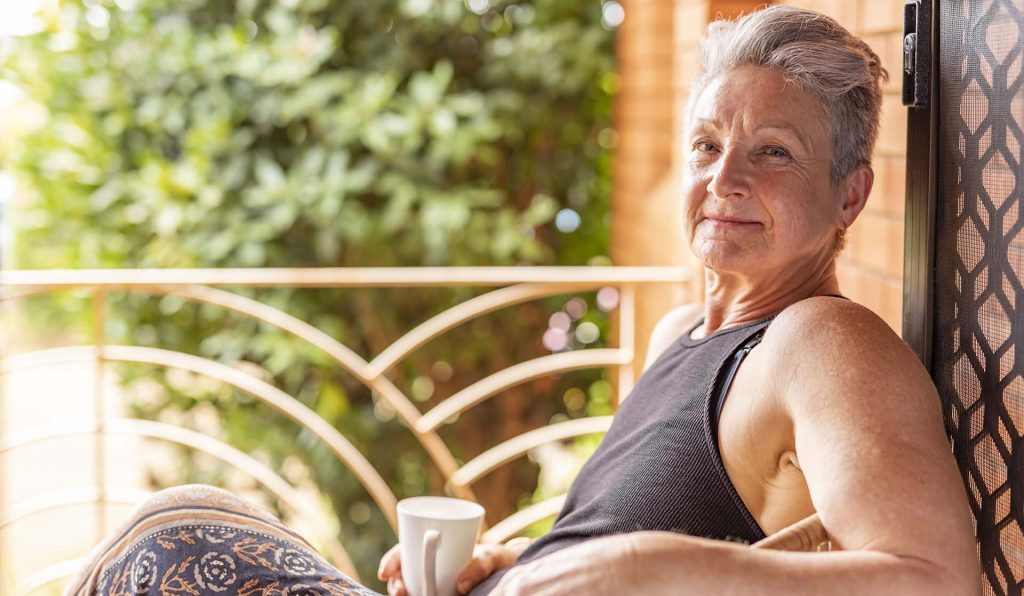
A therapeutic recovery and healing program for people in the Loddon Campaspe area who have experienced family violence.
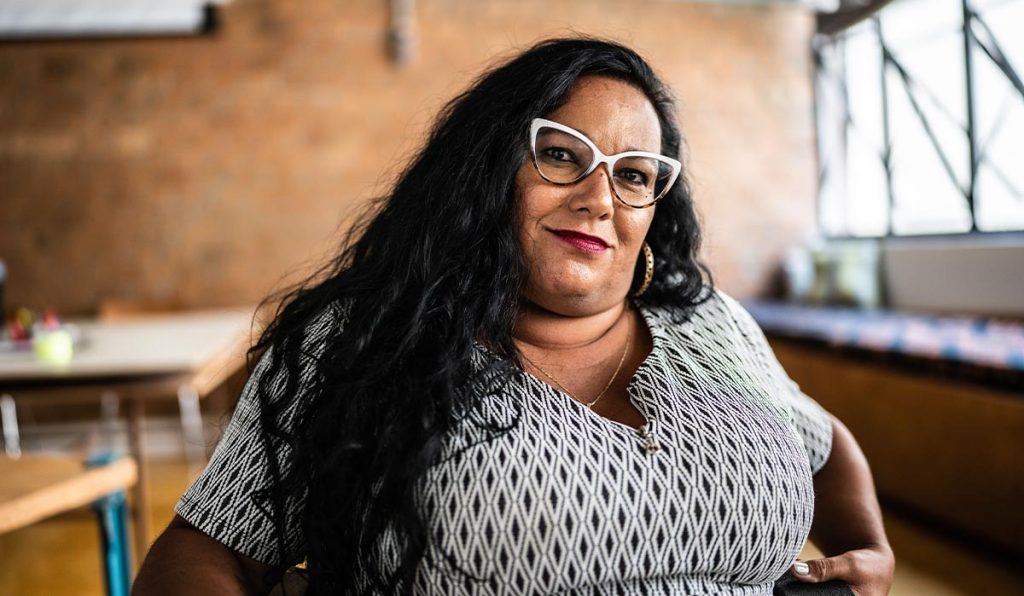
Safe, Thriving and Connected

A therapeutic recovery and healing program for people in the Loddon Campaspe area who have experienced family violence.

We work with women, children, young people, older people and LGBTQIA+ people who are experiencing family violence.

Our services

We work with women, children, young people, older people and LGBTQIA+ people who are experiencing family violence.

Join the CNV community

Work with us

Make a real difference in the lives of people affected by family violence with a career at the Centre for Non-Violence.

Fundraise for us

Fundraising is a fun and rewarding way to make a difference people experiencing family violence.

Donate

Your support helps us to continue our work of responding to the impacts of and preventing family violence in Victoria.

The big picture of family violence

2 in 5

women have experienced violence since the age of 15.

30%

of family violence incidents attended by police have children present.

1 in 4

men aged 18 to 45 say they have used physical and/or sexual violence against an intimate partner.

Our latest news

Family violence and disability

The Birth of Diversity Dialogues – How Silence Sparked a Series

CNV’s Family Violence and Disability Practice Lead, Talitha Travers, reflects on the intersection of disability and family violence and how she developed the 12-part webinar series, Diversity Dialogues: Unpacking Family Violence & Disability.

Increase in family violence risk

Lethality risks for family violence victims rise more than 50% across Central Victoria

Over the past 12 months, the proportion of victim survivors with 10 or more lethality risks rose from 27% to 42%: a more than 50% increase.

Red and green flags

Listen Up: Understanding young people’s experiences of family and gender-based violence

We invited 15-18 years to consider what they regard as ‘green flag’ or ‘red flag’ behaviour in relationships.